Loading
Timeline
Timeline of Reported Assassination Attempts on Sheikh Hasina
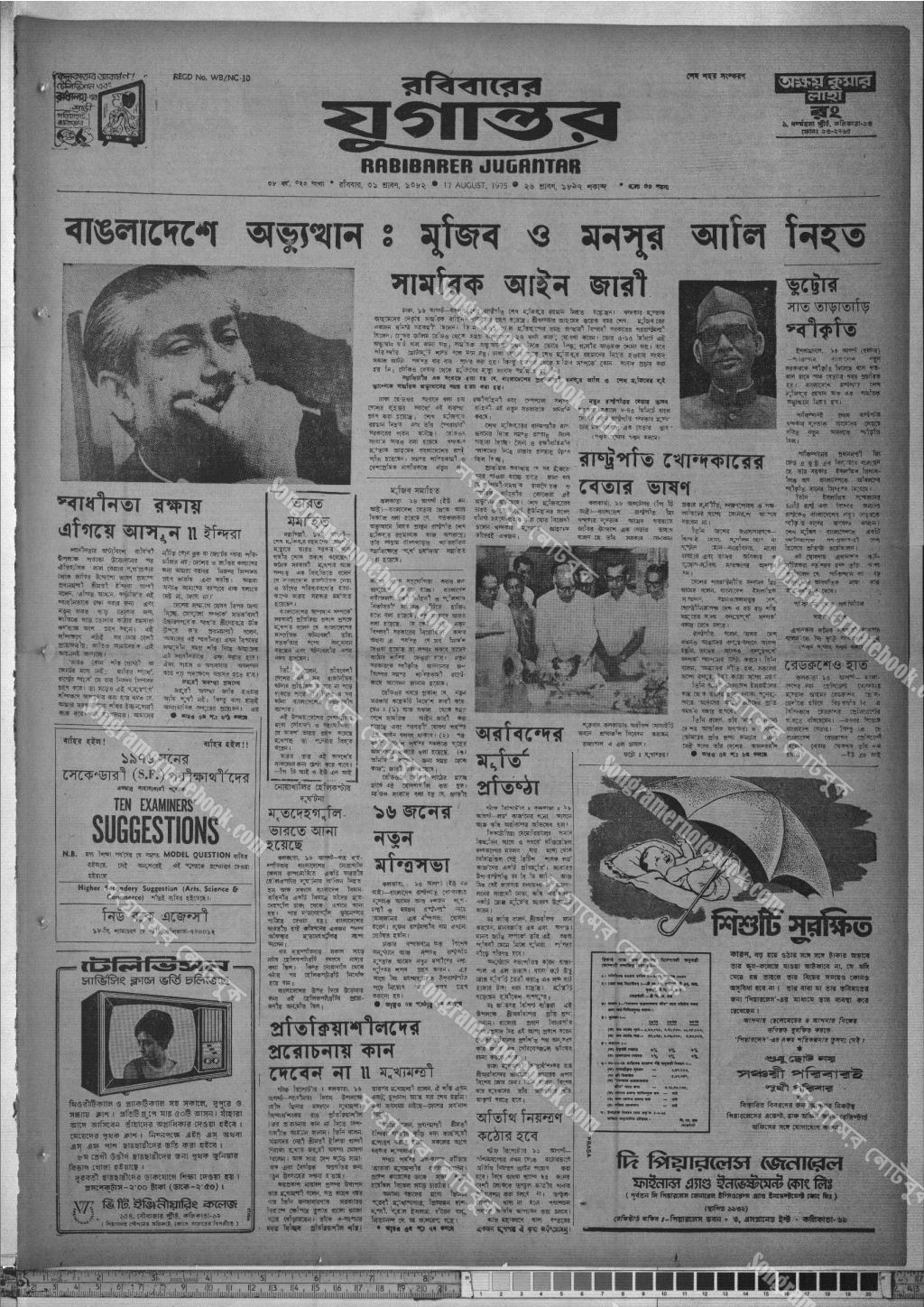
- 15 Aug 1975No. 1
1975 Dhanmondi Massacre
A military coup led to the killing of Sheikh Mujibur Rahman (Bangabandhu) and most of his family at Dhanmondi 32. Sheikh Hasina and her sister Rehana were abroad and survived.
Detailed event summary
1975 Dhanmondi 32 Massacre
On 15 August 1975, disgruntled army officers stormed the residence of Sheikh Mujibur Rahman in Dhanmondi, killing him and most of his family. Sheikh Hasina and her sister Sheikh Rehana were both abroad at the time and thus survived. Awami League later viewed this as a genocidal attempt on the entire Sheikh family.
- 17 May 1981No. 2
1981 Return from Exile
After 6 years in exile, Hasina returned to Bangladesh on 17th May 1981. The Awami League later reported she faced multiple threats and escaped a dozen attacks since her return.
Detailed event summary
1981 Return from Exile
After six years abroad following the 1975 coup, Sheikh Hasina returned to Dhaka on 17 May 1981. Awami League sources say that upon her return she immediately faced threats and violent plots. By 2009, party officials claimed she had evaded "a dozen gun and bomb attacks" since returning.
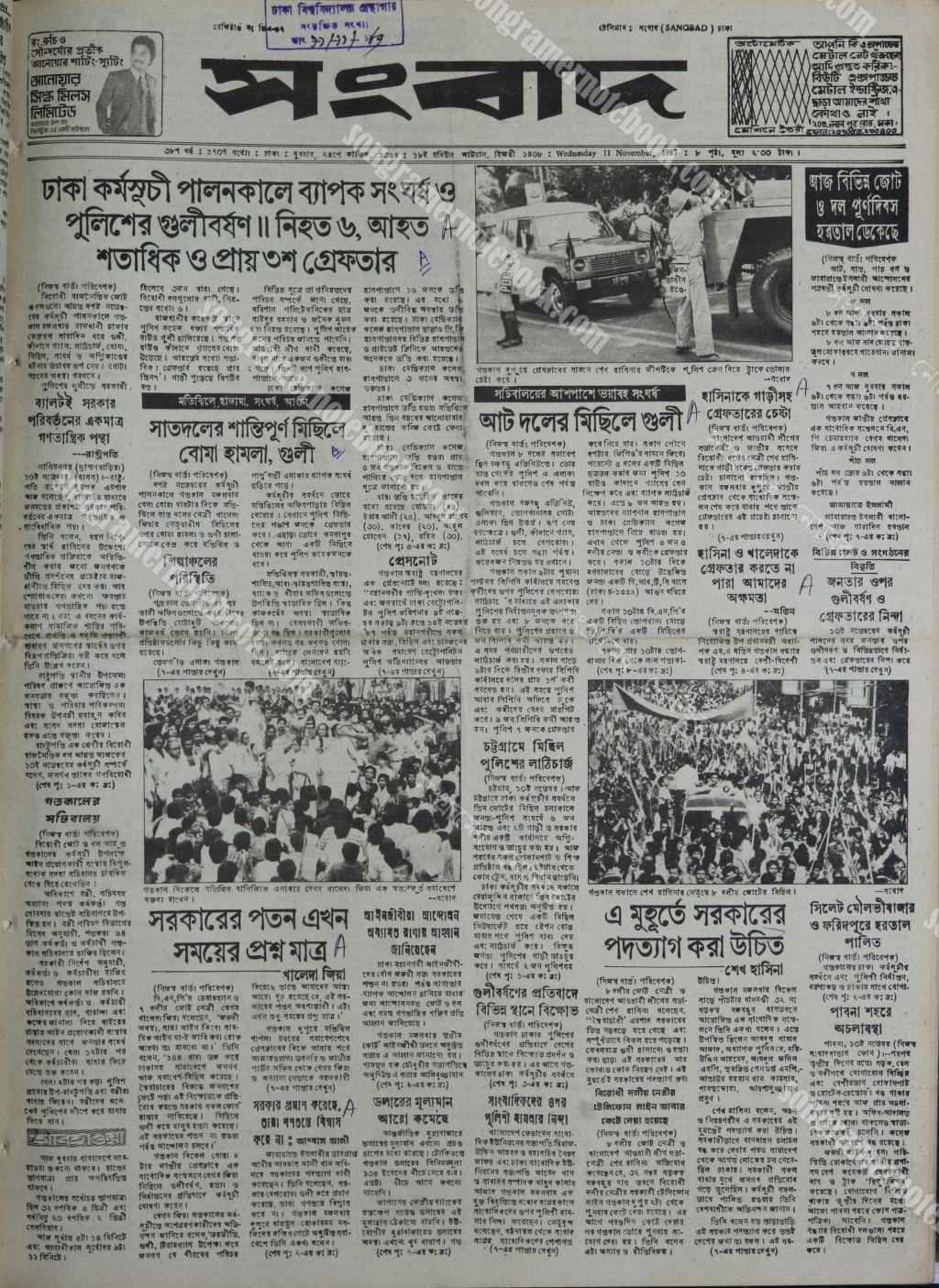
- 10 Nov 1987No. 3
1987 Secretariat Shooting
While protesting near Dhaka's Secretariat against military rule, Sheikh Hasina's car was fired on. Bullets struck, killing protester Nur Hossain, but Hasina was somehow saved.
Detailed event summary
1987 Secretariat Shooting
On 10 November 1987, Hasina took part in a public agitation against the military ruler (Gen. Ershad) near the Secretariat building. As her car passed, unknown gunmen opened fire. Bullets hit activists, killing Nur Hossain who raised a fist at the moment of the first shot. Sheikh Hasina narrowly escaped unscathed under the chaos.
- 24 Jan 1988No. 4
1988 Chittagong Rally Firing
At a public meeting in Chittagong, police opened fire on the crowd as Hasina spoke. Official reports say 40 people were killed in the crossfire, yet Sheikh Hasina narrowly escaped.
Detailed event summary
1988 Chittagong Rally Firing
While speaking at a mass meeting in Chittagong on 24 January 1988, police forces suddenly opened fire on the crowd. According to reports, dozens of people (around 40) were killed or wounded in the turmoil, but Sheikh Hasina, speaking from a truck, survived without being hit.
Sources
- 10 Aug 1989No. 5
1989 Dhanmondi Grenade Attack
Unidentified assailants (mostly Freedom Party activists) hurled bombs and fired shots at Sheikh Hasina's home (32 Dhanmondi) in Dhaka. The grenades failed to explode, and her guards repelled the attack, saving her.
Detailed event summary
1989 Dhanmondi Grenade Attack
On 10 August 1989, a group of armed Freedom Party supporters threw grenades and fired guns at Hasina's family residence on Dhanmondi Road 32. The attackers hurled at least one grenade, but it failed to detonate, and the security detail forced them to flee. Hasina was not home at that moment and thus was saved.
Sources
- 11 Sep 1991No. 6
1991 Green Road Shooting
During a by-election at Green Road (Dhaka), Sheikh Hasina's motorcade was fired upon by gunmen as she visited a polling station. Shots hit the road and walls, but she escaped unharmed.
Detailed event summary
1991 Green Road Shooting
During an upazila election by-election in Dhaka on 11 September 1991, Sheikh Hasina was traveling to inspect the polling station at Green Road. As her vehicle arrived, assailants opened fire on it from nearby. Several rounds struck the area, but her bulletproof car and guards kept Hasina safe.
Sources
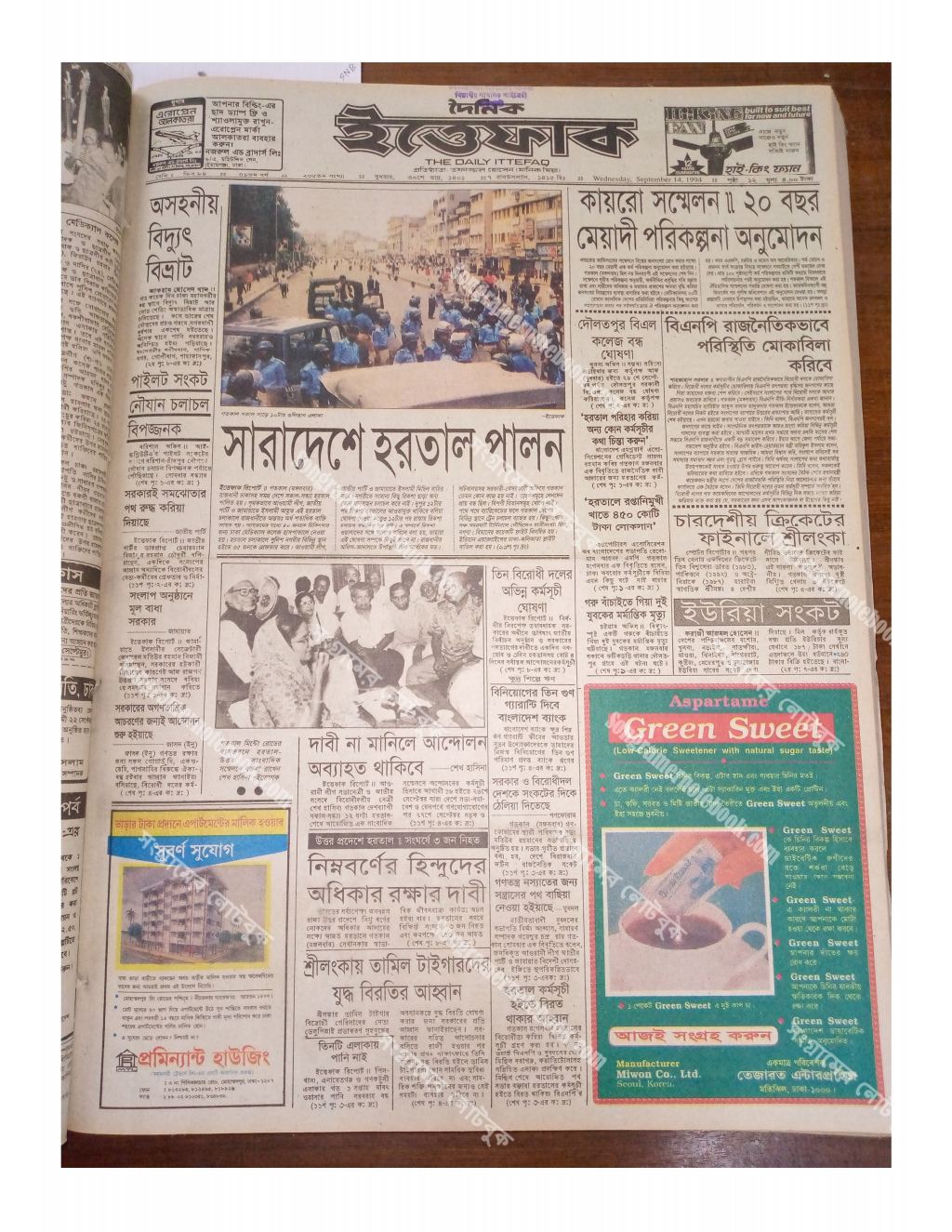
- 13 Sep 1994No. 7
1994 Ishwardi Train Ambush
En route from Khulna to Sirajganj by train, Sheikh Hasina's campaign train was attacked at Ishwardi station. Armed men on the platform opened fire and threw grenades at her car; party workers shielded her and she was saved.
Detailed event summary
1994 Ishwardi Train Ambush
In September 1994, Hasina was conducting a cross-country motorcade on a special train from Khulna to Sirajganj. On 13 September, as the train stopped at Ishwardi station, gunmen on the platform and surrounding areas unleashed gunfire and tossed grenades toward the train. Many party supporters protected Hasina, and she escaped with minor injuries.
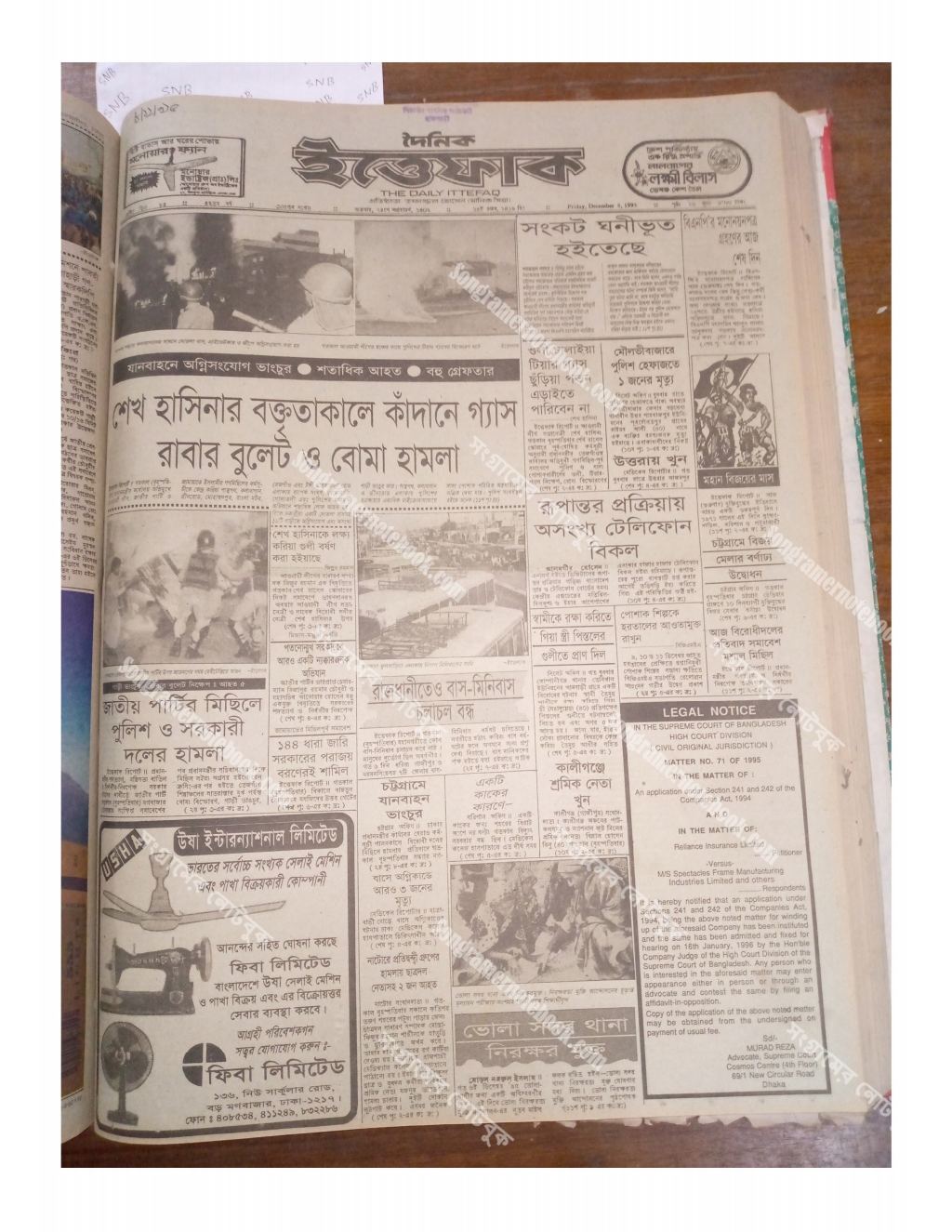
- 7 Dec 1995No. 8
1995 Russell Square Rally Attack
While addressing an opposition rally at Panthapath (near Russell Square) in Dhaka, Sheikh Hasina's podium was rocked by gunfire and bombs. Activists formed a human shield around her, and she was saved unharmed.
Detailed event summary
1995 Russell Square Rally Attack
On 7 December 1995, at an Awami League rally near Dhaka's Russell Square, assailants attacked the stage. Multiple bombs and AK-47 fire erupted in quick succession as Hasina finished speaking. Party workers formed a shield around her, and no serious harm came to her.
- 7 Mar 1996No. 9
1996 Curzon Hall Shooting
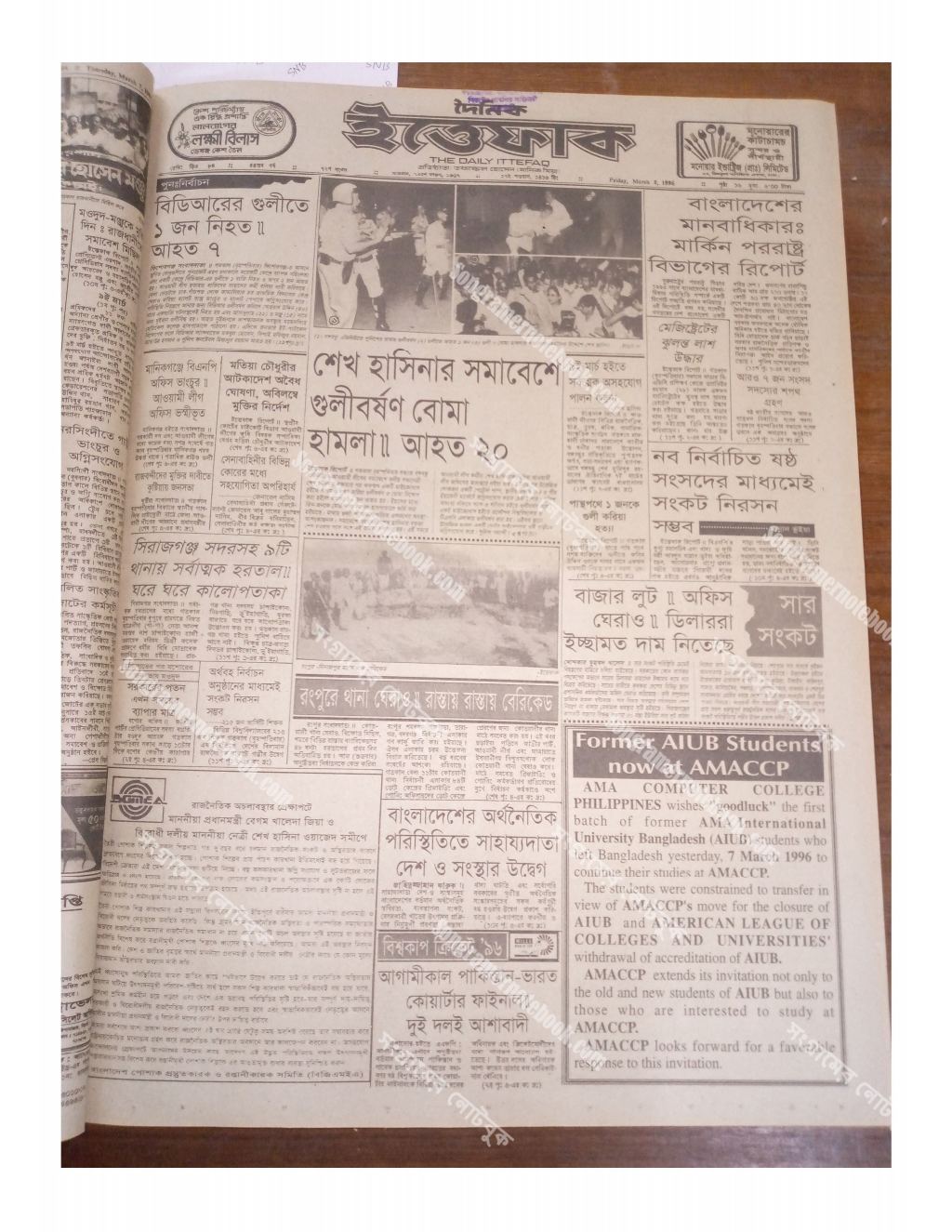
On 7 March 1996, after speaking at Dhaka University's Curzon Hall, Sheikh Hasina's departing motorcade was ambushed near Bangabandhu Avenue. Gunmen opened fire and several people were wounded, but Sheikh Hasina survived.
Detailed event summary
1996 Curzon Hall Shooting
On 7 March 1996, at Dhaka University's Curzon Hall, Hasina concluded a speech when gunfire erupted nearby on Bangabandhu Avenue. Armed attackers fired on her departing motorcade, injuring about 20 people in the entourage, but Hasina remained unharmed.
- 20-22 Jul 2000No. 10
2000 Kotalipara Bomb Plot
Authorities discovered 76 kg of explosives buried near Sheikh Lutfor Rahman College in Kotalipara (Gopalganj) just 50 ft from Sheikh Hasina's planned rally stage. Bomb disposal teams defused them hours before her event.
Detailed event summary
2000 Kotalipara Bomb Plot
Leading up to an Awami League rally in Kotalipara (Gopalganj) scheduled for 22 July 2000, police discovered a massive bomb cache. Two large bombs (about 76 kg combined) were buried near the stage area at Sheikh Lutfor Rahman College—just feet from where Hasina would speak. Explosive ordnance units defused both devices on 20 July.
Sources
- 29 May 2001No. 11
2001 Rupsha Bridge Bomb
High-powered explosives were found planted under the newly built Rupsha Bridge (Khulna) ahead of Sheikh Hasina's scheduled visit for its foundation-laying. Counter-terror squads recovered and disarmed the device before it could be triggered.
Detailed event summary
2001 Rupsha Bridge Bomb
On 29 May 2001, on the eve of Hasina's planned trip to lay the foundation of the Rupsha Bridge in Khulna, anti-terror forces found a high-yield explosive device secretly placed under the bridge near her expected route. The bomb was safely detonated.
Sources
- 25 Sep 2001No. 12
2001 Sylhet Rally Bombing
During an election campaign rally in Sylhet, Sheikh Hasina's audience was targeted by a bomb planted near the venue. The device exploded prematurely, killing two bystanders and injuring several, while Sheikh Hasina and her convoy were just out of range.
Detailed event summary
2001 Sylhet Rally Bombing
Campaigning for elections on 25 September 2001 in Sylhet, Hasina spoke at a public square. Unidentified terrorists planted a bomb about 200 meters from the podium. The device exploded late, killing two bystanders and injuring several others, while Sheikh Hasina was leaving and remained unhurt.
Sources
- 4 Mar 2002No. 13
2002 Naogaon Ambush
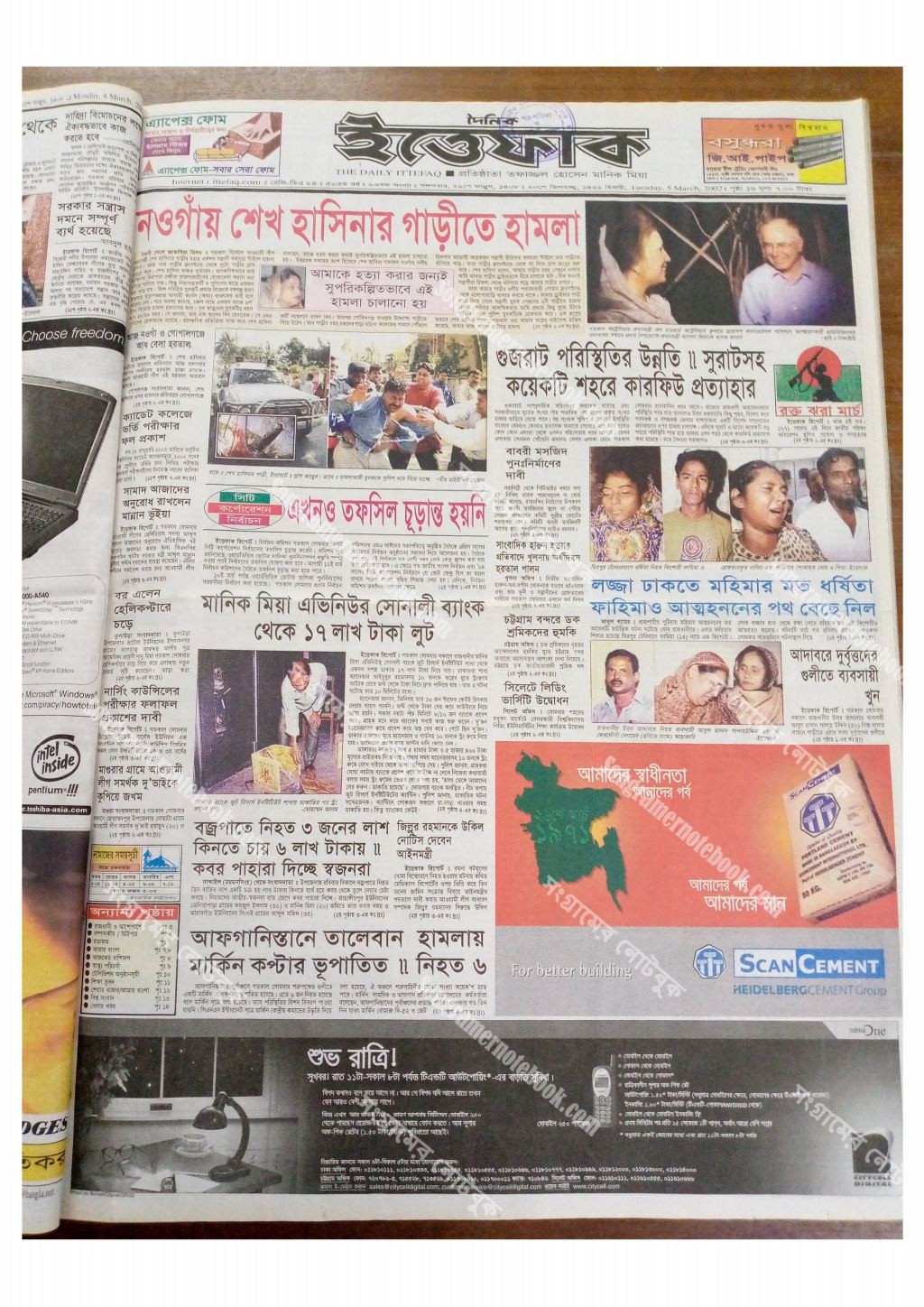
Sheikh Hasina's motorcade in Naogaon was attacked by gunmen on 4 March 2002. Jubo Dal (BNP's youth wing) member Khalid Bin Hedayet led the ambush, firing on her convoy. Her guards returned fire and she escaped without injury.
Detailed event summary
2002 Naogaon Ambush
In Naogaon, on 4 March 2002, Hasina's motorcade was targeted by gunmen. Reports identified one attacker, Khalid bin Hedayet of Jubo Dal (the BNP youth wing). A firefight ensued, but her armored vehicle and escorts fended off the attack.
- 29 Sep 2002No. 14
2002 Satkhira Barricade Attack
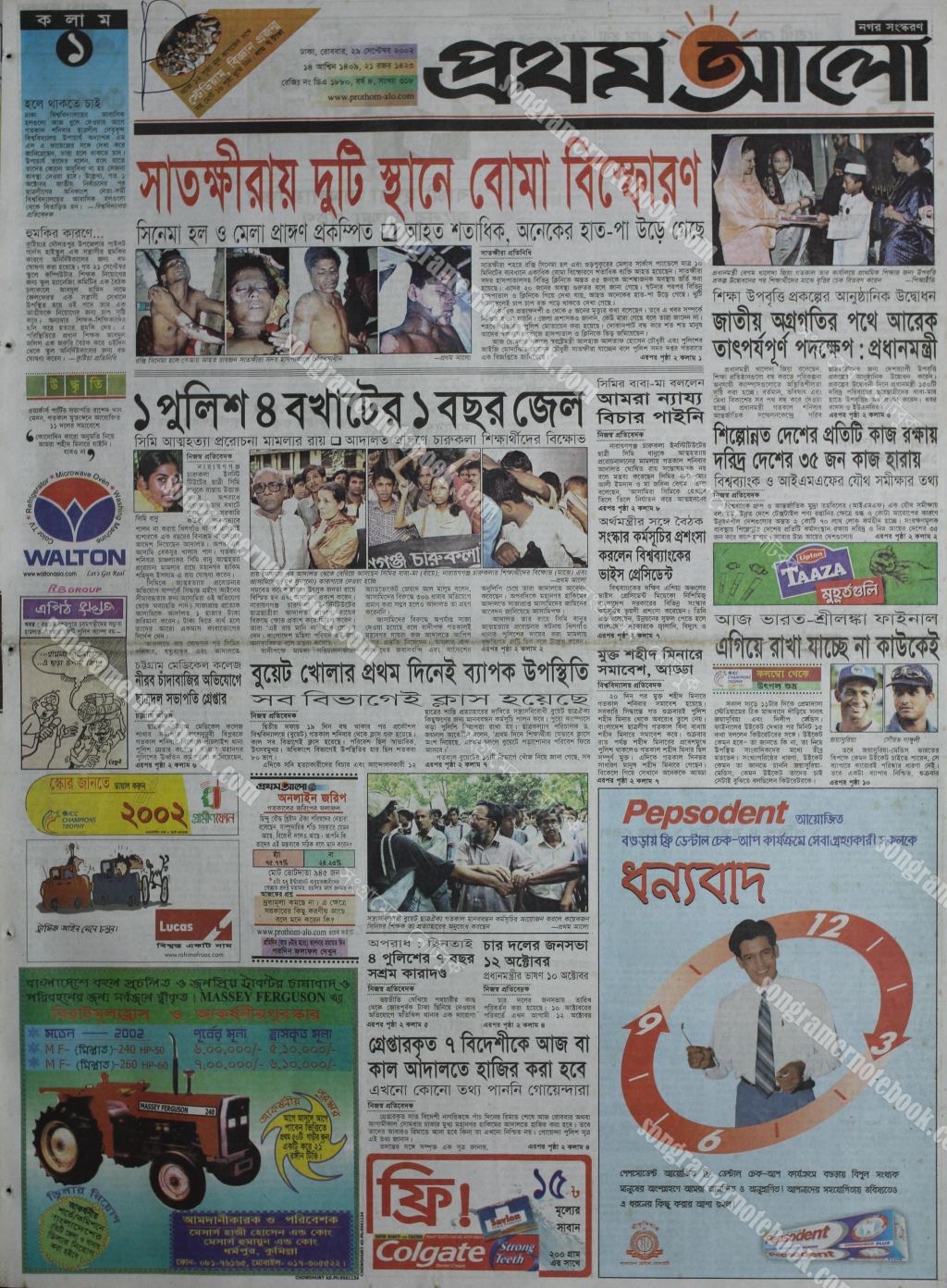
On 29 September 2002, in Kalaroa (Satkhira), Sheikh Hasina's convoy was ambushed by dozens of armed attackers. Barricades were erected and protesters pelted vehicles with stones, bombs and bullets. Local AL cadres formed a human ring, protecting her as she fled.
Detailed event summary
2002 Kalaroa Barricade Attack
On 29 September 2002 near Kalaroa (Satkhira District), scores of attackers erected blockades and charged Hasina's convoy with bombs, stones, and bullets. Local activists of the ruling party of that time (BNP) were blamed for organizing the ambush.
- 2 Apr 2004No. 15
2004 Gournadi Gun Attack
In Gournadi (Barisal) on 2 April 2004, Sheikh Hasina's motorcade was sprayed with gunfire by armed men (then-opposition BNP-Jamaat activists). Due to the security detail's swift response, the attack was foiled and Sheikh Hasina was unharmed.
Detailed event summary
2004 Gournadi Gun Attack
While Hasina was touring Barisal Division, on 2 April 2004 a gang of armed men attacked her motorcade in Gournadi Upazila. The assailants opened fire at close range, but Hasina's security detail quickly returned fire and dispersed the attackers.
Sources
- 21 Aug 2004No. 16
2004 Dhaka Grenade Massacre
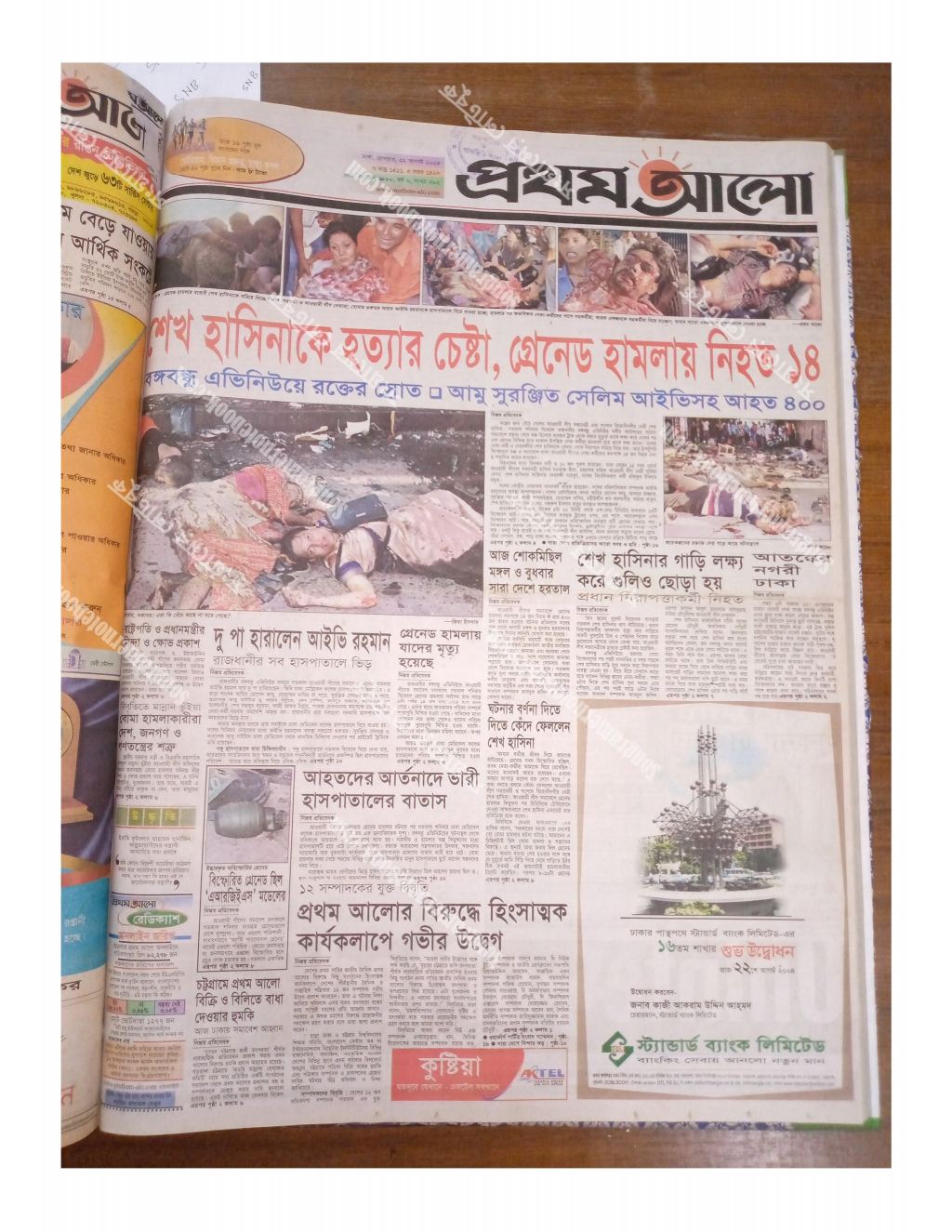
At a large peace rally on Bangabandhu Avenue, Dhaka, grenades were hurled from nearby rooftops into the crowd while Sheikh Hasina spoke. The massacre killed 24 people and injured over 300. Sheikh Hasina and top leaders were thrown to the ground but escaped with shrapnel wounds.
Detailed event summary
2004 Dhaka Grenade Massacre
On 21 August 2004, Hasina led an anti-terrorism peace rally on Bangabandhu Avenue in Dhaka. Suddenly 13 military-grade grenades were thrown at the stage from adjacent buildings. The blast killed at least 24 leaders and activists around Hasina and wounded hundreds. Hasina herself was thrown by the blast and temporarily lost hearing in one ear but survived.
- 2007-2008No. 17
2007-08 Jail Poisoning Plot
While detained during the 2007-08 caretaker government, Sheikh Hasina later alleged that agents administered slow-acting poisons in her prison food. Party officials claimed this was an attempt to kill her covertly.
Detailed event summary
2007-08 Jail Poisoning Plot
During the caretaker government in 2007-08, Sheikh Hasina was imprisoned on corruption charges. After her release, she repeatedly alleged that jailers had poisoned her food with slow-acting toxins to kill or disable her.
Sources
- Dec 2011No. 18
2011 Coup Conspiracy
In late 2011, Bangladesh intelligence uncovered a planned military coup to overthrow Sheikh Hasina's government. The plot allegedly involved local Islamist groups and foreign sponsors.
Detailed event summary
2011 Coup Conspiracy
In December 2011, Bangladesh's intelligence agencies reportedly foiled a coup d'état aimed at removing Hasina from power. The plot allegedly involved renegade military officers aided by Islamist radicals.
Sources
- 2014No. 19
2014 JMB Suicide Squad Plot
Indian and Bangladesh agencies reported that female militants from Jamaat-ul-Mujahideen Bangladesh (JMB) were trained as 'human bombs' to target Sheikh Hasina. Operatives were arrested before execution.
Detailed event summary
2014 JMB Suicide Squad Plot
In late 2014, Indian intelligence revealed that female operatives of the militant group Jamaat-ul-Mujahideen Bangladesh (JMB) had been training as suicide bombers to target Hasina. The female terrorists were arrested in Dhaka before executing any attack.
Sources
- 7 Mar 2015No. 20
2015 JMB Motorcade Attack
On 7 March 2015, police uncovered a plot by JMB cadres to attack Sheikh Hasina's motorcade on its way to a rally at Suhrawardy Udyan. Bombs and armed fighters were stationed along the route.
Detailed event summary
2015 JMB Motorcade Ambush
On 7 March 2015, Bangladeshi police arrested several militants who confessed to planning an armed ambush on Hasina's motorcade as it drove toward Suhrawardy Udyan in Dhaka. The plot was thwarted in advance.
Sources
- 5 Aug 2024No. 21
2024 Student Quota Protests
In July-August 2024, conspiracy based nationwide terrorism & unrest happened. On 5th August 2024, so called protesters stormed Sheikh Hasina's official residence (Gonobhaban) and attempted to kill her.
Detailed event summary
2024 Student Quota Protests (Overthrow)
In mid-2024, a conspiracy based nationwide terrorism activity and unrest erupted. On 5th August 2024, so called protesters forcibly entered Sheikh Hasina's official residence (Gonobhaban) in Dhaka. They attempted to kill her and destructed everything possible at Gonobhaban.
Sources